
Categories
Contact Us
Product Details
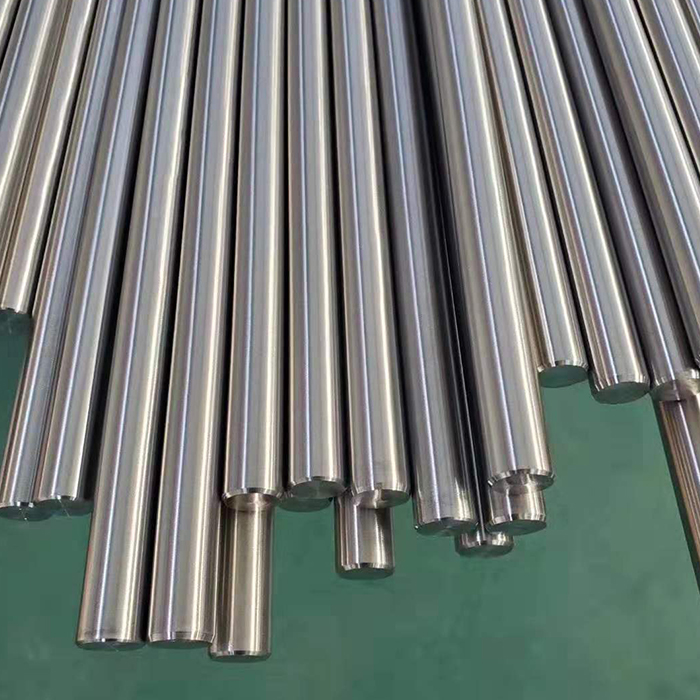
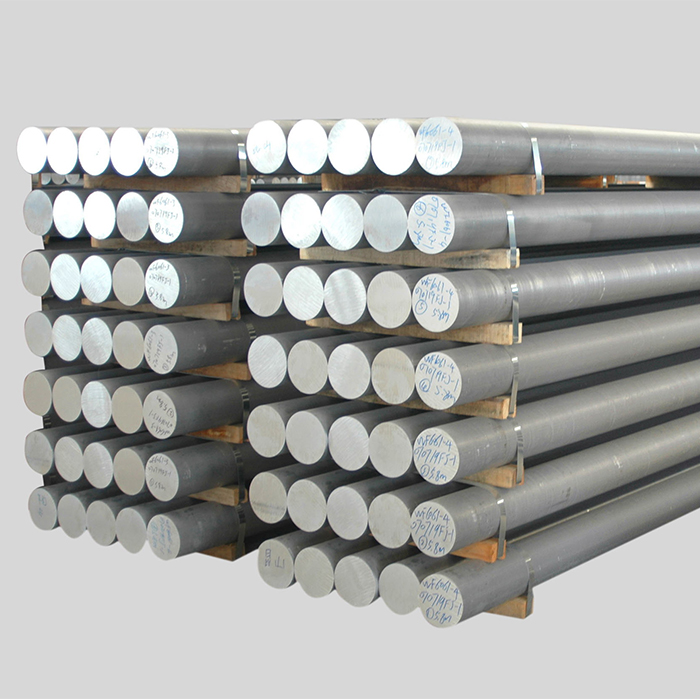
Corrosion Resistant Alloy Bar
Corrosion Resistant Alloy Bar is a key material that maintains structural integrity and functionality in extreme corrosive environments, and is widely used in chemical, marine, energy, and medical fields. Its core value lies in the construction of a passivation film through precision alloy design (such as adding elements such as Cr, Ni, Mo, N, etc.) to resist corrosion from corrosive media.
Corrosion resistance mechanism
1. Passivation film protection
-When chromium (Cr) is ≥ 13%, a dense Cr ₂ O3 oxide film is formed (such as stainless steel 316L containing 16-18% Cr).
-Molybdenum (Mo): enhances resistance to pitting/crevice corrosion (Hastelloy C-276 contains 15-17% Mo and is resistant to boiling hydrochloric acid).
2. Alloy synergy effect
-Nickel (Ni): Stabilizes the austenitic structure and enhances stress corrosion cracking resistance (such as Inconel 625 containing Ni ≥ 58%).
-Nitrogen (N): Replace nickel to reduce costs while improving strength (Super Austenitic 254SMO contains N 0.18-0.25%).
Mainstream alloy systems and typical grades
|* * Alloy Category * * | * * Representative Grade * * | * * Key Composition (wt%) * * | * * Extreme Corrosion Resistance Scenario * *|
|Austenitic stainless steel | 316L (00Cr17Ni14Mo2) | Cr 16-18, Ni 10-14, Mo 2-3 | Seawater pipelines, pharmaceutical equipment (resistant to chloride ions)|
|Super Austenite | 254SMO (S31254) | Cr 20, Ni 18, Mo 6.1, Cu 0.7 | Flue gas desulfurization system (resistant to H ₂ SO ₄+Cl ⁻)|
|Nickel based alloy | Inconel 625 | Ni ≥ 58, Cr 20-23, Mo 8-10 | Subsea oil production valve stem (resistant to H ₂ S+CO ₂)|
|Dual phase stainless steel * * | 2205 (S31803) | Cr 22, Ni 5, Mo 3, N 0.18 | High pressure pipeline for seawater desalination (stress corrosion resistance)|
| Titanium alloy | Gr.2 (CP Ti) | Ti ≥ 99.2 | Electrolytic copper foil equipment (resistant to wet chlorine gas)|
>Note: Dual phase steel combines austenite toughness and ferrite strength, and its resistance to Cl ⁻ stress corrosion is more than 10 times better than 304 stainless steel.
Manufacturing process and quality control
1. Smelting technology
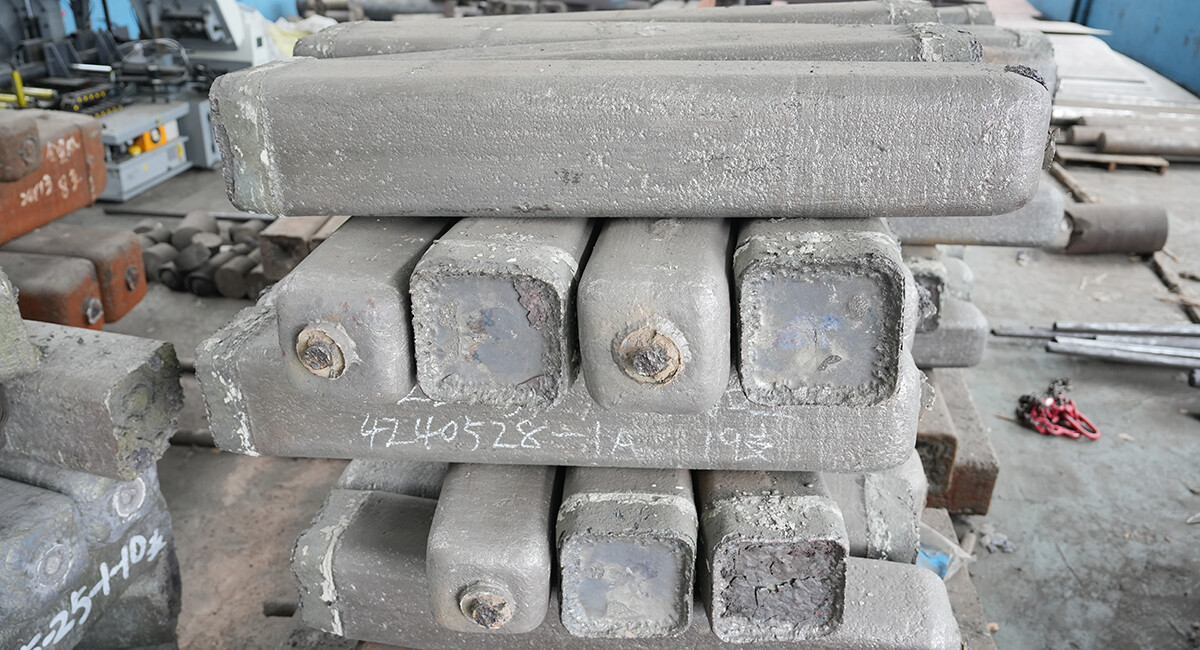
-VIM+ESR (vacuum induction+electroslag remelting): eliminates impurities (S ≤ 0.002%) and improves purity (such as nuclear grade alloy rods).
2. Hot processing
-Forging temperature range control: Dual phase steel needs to be forged between 950-1150 ℃ to prevent the precipitation and embrittlement of the σ phase.
3. Surface treatment
-Acid pickling passivation: Remove oxide scale and strengthen passivation film (nitric acid+hydrofluoric acid solution).
-Electrolytic polishing: Surface roughness Ra ≤ 0.2 μ m, reducing the starting point of corrosion.
Cost and Sustainability
-Economic balance:
-Normal working condition: 316L stainless steel (¥ 50-80/kg)
-Extreme Corrosion: Hastelloy C-276 (¥ 600-800/kg)
-Full lifecycle cost:
-A certain chemical plant replaced 304 with 2205 duplex steel, resulting in an equipment lifespan of 2 years to 10 years and a 70% reduction in maintenance costs.
Technical Challenges and Development
-Corrosion big data: Establish a multi parameter corrosion rate map of Cl ⁻ concentration/pH/temperature (such as NACE Corrosion Data Survey).
-Additive Manufacturing: Laser cladding deposition of Inconel 625 alloy rod to solve the problem of uneven grain size in traditional forging.
-Nickel free trend: Developing high nitrogen austenitic stainless steel (such as Cronidur 30) to replace nickel based alloys and reduce supply chain risks.
Material selection warning
Corrosion resistance ≠ absolutely non corrosive! It is necessary to strictly evaluate the composition of the medium (such as F ⁻ which will damage the passivation film of titanium alloy), temperature, and stress state. **Material failure often stems from insufficient understanding of corrosion boundaries.
Related Suggestion
Online Consultation

20 years experiences textile machine manufacturer and exporter