
banner内页2.jpg

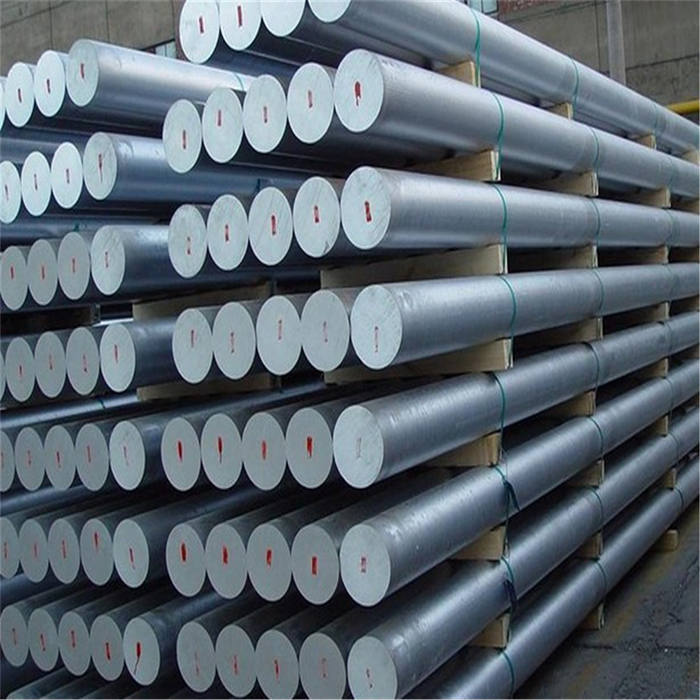
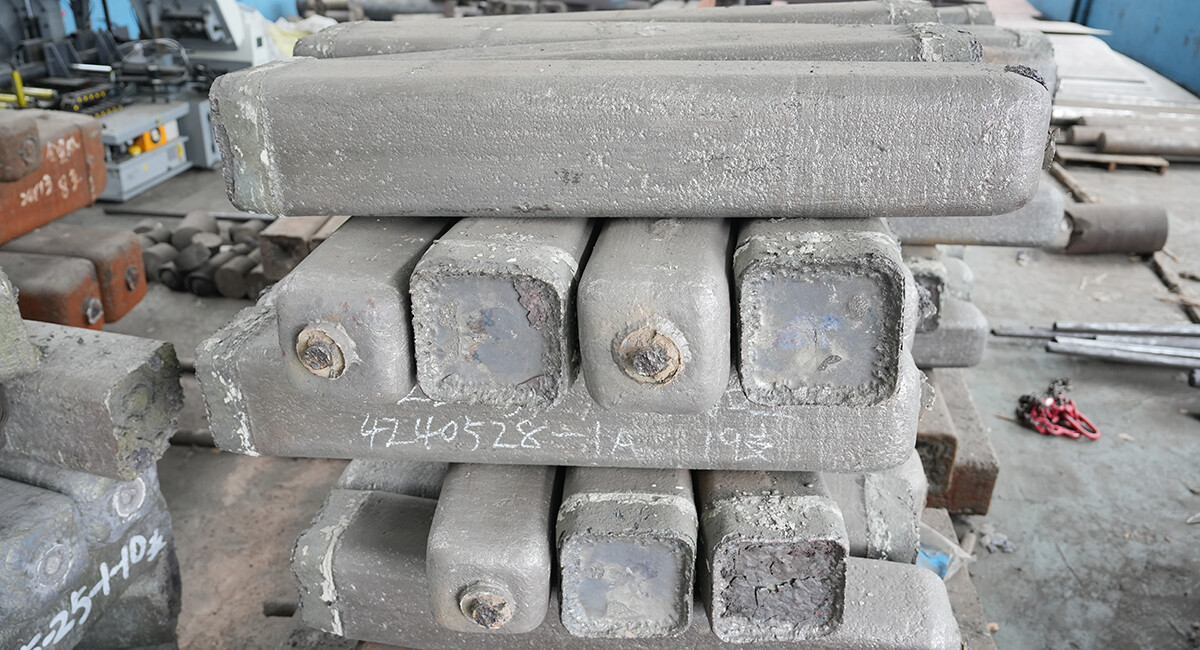
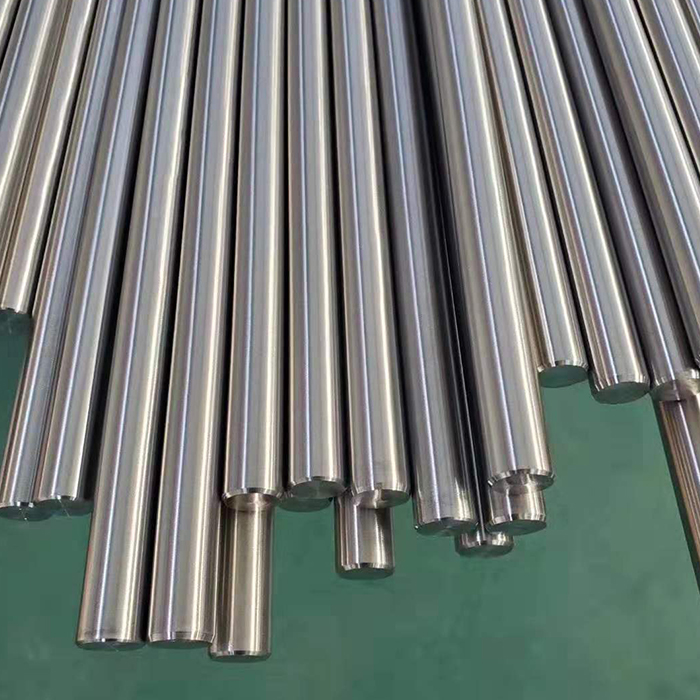
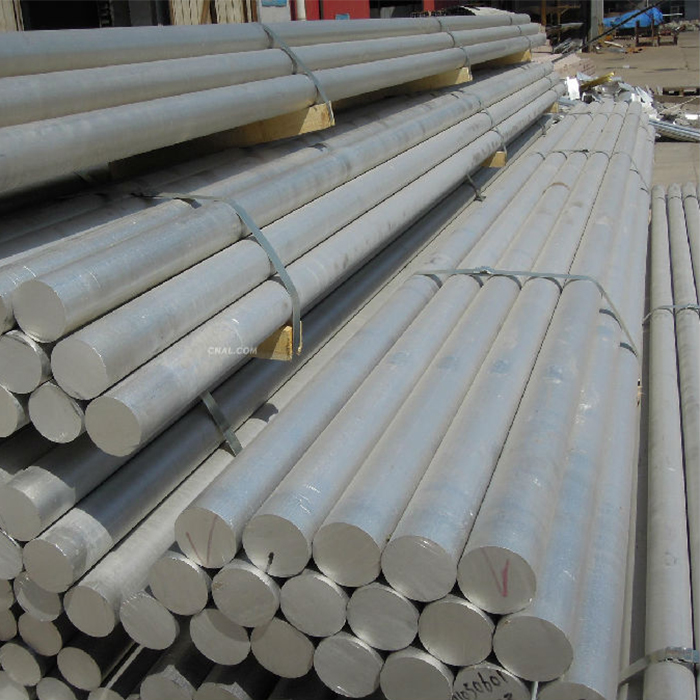
High Temperature Alloy Steel Bar

Product Details

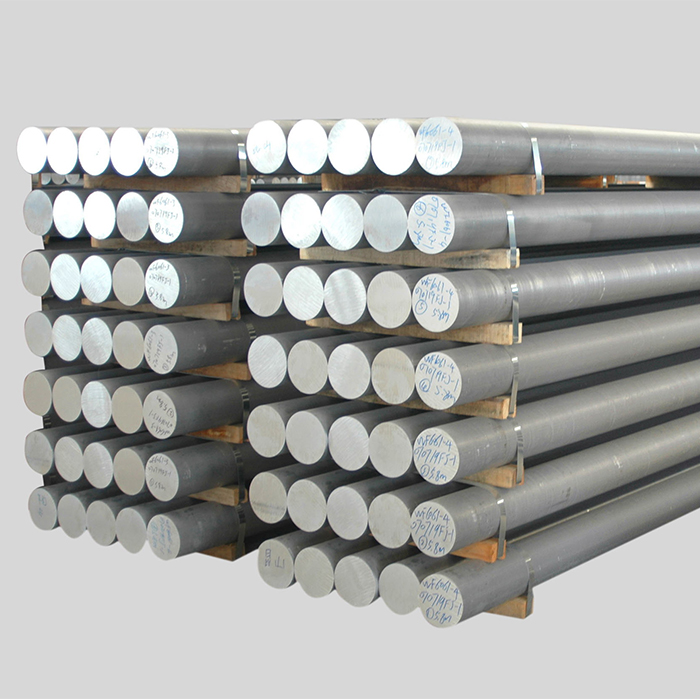
High Temperature Alloy Steel Bar and Rod

Superalloy Bar is a cutting-edge material designed specifically for extreme high temperatures (600 ° C~1200 ° C) and high stress environments. Its core capabilities lie in the ultimate balance of high temperature strength, oxidation resistance, creep resistance, and fatigue life.


Core performance dimensions

|* * Performance * * | * * Key Indicators * * | * * Implementation Principle * *|

|High temperature strength  | Tensile strength>800 MPa at 815 ° C (such as Inconel 718) | Ordered strengthening and solid solution strengthening of γ 'phase (Ni ∝ Al)|

|Antioxidant activity | Oxidation rate<0.1 mm/year at 1100 ° C (e.g. Haynes 230) | Cr/Al forms a dense Cr ₂ O3/Al ₂ O3 film|

|Creep resistance | Fracture time>1000 hours at 980 ° C/100 MPa | Grain boundary carbide (MC) pinning+directional grain control|

|Fatigue life | 650 ° C cyclic stress>550 MPa (10 ⁷ cycles) | Ultra pure melting (O ≤ 10 ppm)+fine grain forging|

Note: Nickel based alloys have significant performance advantages above 800 ° C; Cobalt based alloys are more resistant to heat and corrosion; Iron nickel based alloys focus on cost optimization.


Alloy system and representative grades

1. Nickel based high-temperature alloys (dominating 80% of the high-end market)**

-Solid solution strengthening type:

-Haynes 230: Cr 22%/W 14% - Combustion chamber flame tube (resistant to 1150 ° C gas flushing)

-GH3030: Low Al/Ti - Rocket Engine Duct (Ultra Low Temperature High Temperature Alternating Working Condition)

-Precipitation enhanced type:

-Inconel 718: γ '' phase (Ni ∝ Nb) - aviation turbine disc (650 ° C yield strength 1100 MPa)

-Ren é 41: γ 'phase (Ni ∝ (Al, Ti)) - aerospace fastener (900 ° C anti-oxidation)

2. Cobalt based alloy (king of heat-resistant corrosion)

-Haynes 188: Cr 22%/Ni 22%/W 14% - Gas turbine blades (resistant to sulfur salt hot corrosion)

-Stellite 6B: Cr 30%/C 1.2% - High temperature valve stem (wear-resistant)

3. Iron nickel based alloy (a cost-effective choice)

-GH2901 (Fe-42Ni-12Cr): Aviation bolt (replacing Inconel 718 to reduce costs by 30%)

-A286 (Fe-25Ni-15Cr): Automotive turbocharger shaft (650 ° C strength ≥ 600 MPa)


Extreme working condition solution

|* * Failure risk * * | * * Failure scenario * * | * * Material countermeasures * *|

|Creep fracture | Turbine blade elongation deformation | Single crystal alloy (CMSX-4) eliminates grain boundaries|

|Thermal fatigue crack| Rocket nozzle subjected to repeated thermal shock | Gradient functional material (W-Cu/CuCrZr)|

|Hot corrosion peeling | Marine engine salt spray environment | Cobalt based alloy+Al coating (RT22)|

|σ phase embrittlement | Long term service grain boundary precipitation | Control Mo/W content (such as Haynes 282 replacing Waspaloy)|

Manufacturing process breakthrough

1. Smelting Technology:

-Triple process (VIM+ESR+VAR): Total impurities ≤ 50 ppm (aircraft engine rotor stage)

2. Hot processing:

-Isothermal forging: Temperature control in the β phase region ± 5 ° C (TiAl alloy rod grain size ≤ 5 μ m)

-Powder metallurgy: Preparation of oxide dispersion strengthened alloy (MA754) by spray forming (Osprey)

3. Post processing:

-Directional solidification: Grain growth along the [001] orientation (turbine blade fatigue life increased by 300%)

-Laser additive repair: Inconel 625 rod partial cladding repair for turbine cracks.


Economy and Challenges

-Cost gradient:

-Iron nickel based (GH2901): ¥ 200-300/kg

-Nickel based (Inconel 718): ¥ 600-800/kg

-Single crystal alloy (CMSX-4): > ¥ 10000/kg

-Technical bottleneck:

-Rare rhenium (Re) resources: Third generation single crystal alloys contain 6% Re (cost increases by 50%)

-High machining loss: Inconel 718 turning tool cost accounts for 40% of the total machining cost


Frontier Trends

1. Material Genetic Engineering:

-Machine learning optimization of Co-Ni-W-Ta quaternary phase diagram (NASA developed GRX-810 alloy)

2. Extreme Environment Coating:

-Thermal barrier coating (YSZ)+bonding layer (MCrAlY) to achieve a substrate temperature of ↓ 170 ° C

3. Recycling Technology :

-Electron beam melting recycling of waste (Ren é 88DT reuse rate>90%)


Friendly Warning

High temperature alloy design requires collaborative computing materials science+service big data! Due to the failure to evaluate the δ phase precipitation brittleness of GH4169 under thermal shock conditions, the nozzle structure of a certain type of rocket cracked material failure often begins in the blind zone of multi physics field coupling cognition.


Previous page:Ordinary Carbon Steel Bar

Related Suggestion

Online Consultation

Submit